


FROM OUR ANCESTORS WE INHERITED TRADITIONAL METHODS TO MAKE WINES WITH A UNIQUE PERSONALITY
José Alberto Calvo Casajús was born in Quintana del Pidio. His enthusiasm and passion for everything related to the world of wine led him to found Bodegas JA Calvo Casajús in 1993, together with his wife Leonor. It is a constantly modernizing company with a deep-rooted traditional spirit, preserving the most genuine essence of Ribera del Duero wines.
WITH THE VERY SAME HANDS, FROM THE VINE TO YOUR BOTTLE
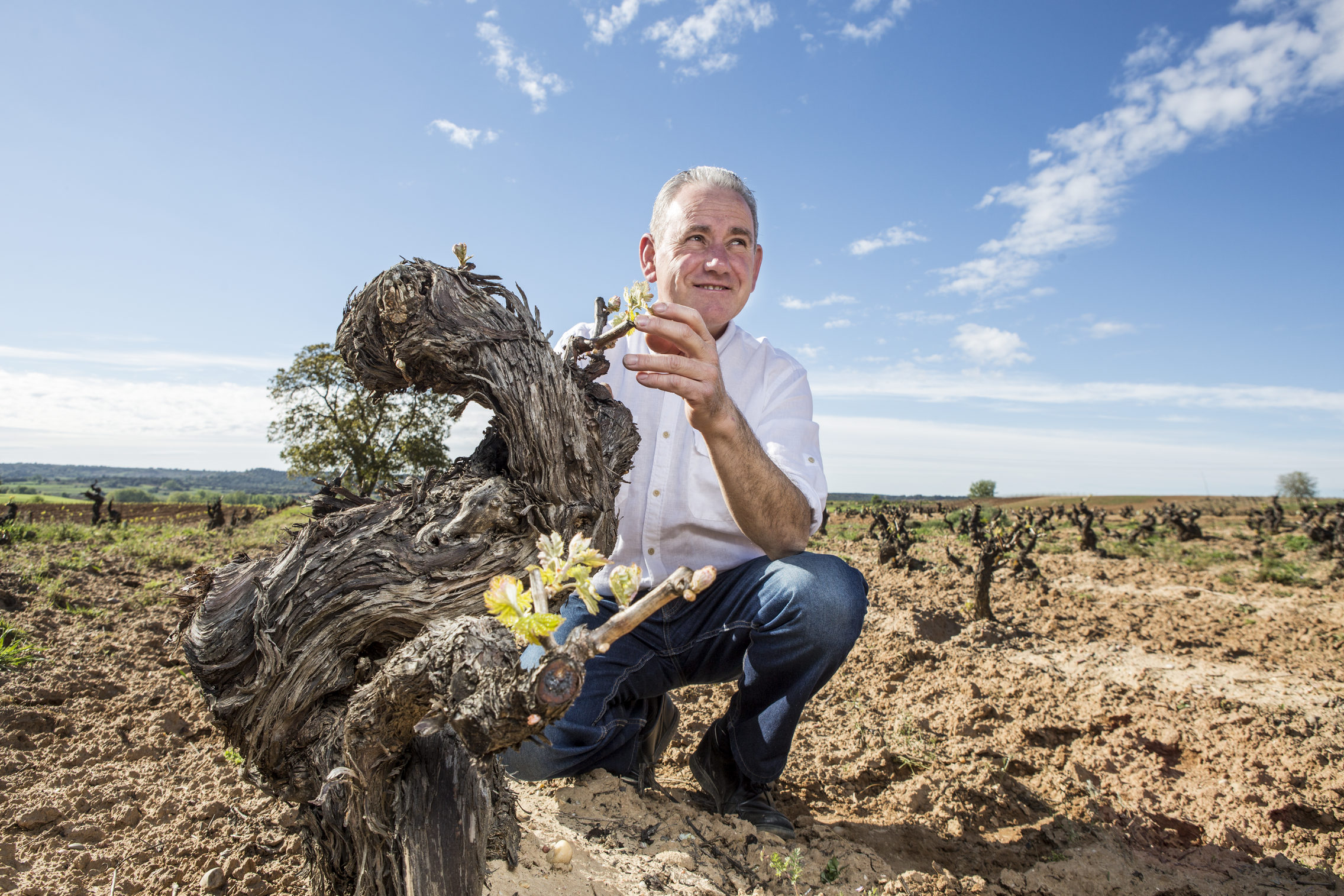
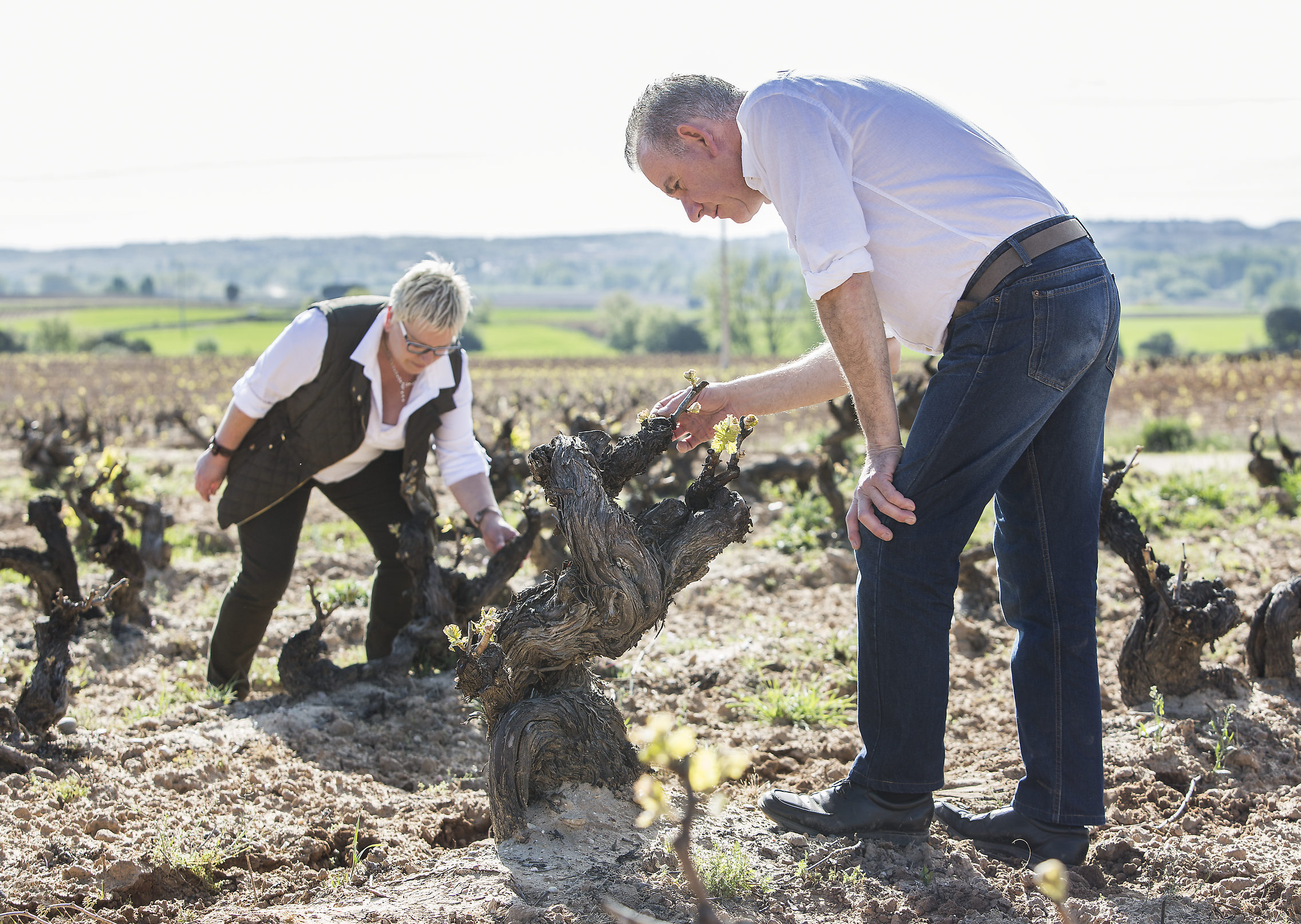
On sandy-loam soils, sheltered from the north by small mountains covered in pine and holm oak forest, we cultivate and vinify only 20 hectares of our own vineyards, mostly planted with the indigenous Tinta del País variety, some vines over 70 years old. Traditional bush pruning techniques, our knowledge of the land, and the microclimate of Quintana del Pidio allow us to achieve the perfect balance between acidity, sweetness, alcohol content, and fruit flavor at harvest time.
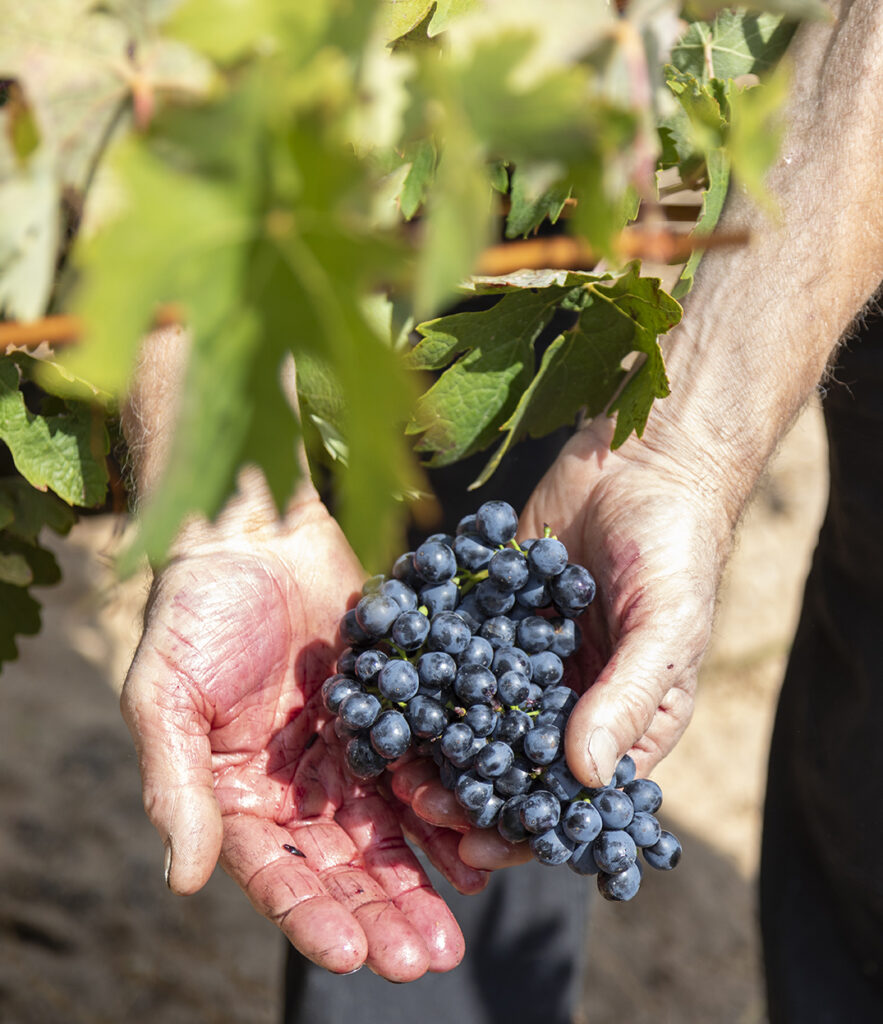
In our winery, a combination of knowledge passed down through generations, diverse winemaking techniques, our own experience, and the finest barrels sourced from around the world allow us to create the distinctive Casajús wines. These are wines that their creator, José Alberto Calvo Casajús, crafts and produces from the vineyard to the bottle, handcrafted by him.
QUINTANA DEL PIDIO,
THE VILLAGE
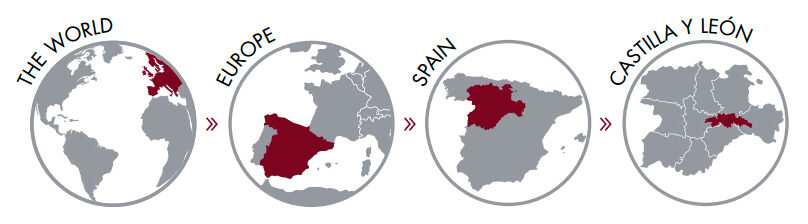
In the heart of Ribera del Duero, surrounded by small mountains covered with oaks, holm oaks and pines that protect it from the cold northern winds, lies Quintana del Pidio, the small village that gave birth to the story of Bodegas Casajús.
In Quintana del Pidio, everything revolves around the land, and time is measured in harvests. The vineyards have been part of the landscape for centuries, cultivated generation after generation by families who have learned to listen to the rhythm of the seasons. This winegrowing legacy has shaped not only the land but also the character of those who live there, a community deeply connected to the countryside, to effort and to respect for tradition.
Quintana del Pidio enjoys a unique microclimate within Ribera del Duero. The combination of altitude, clay-limestone soils and the influence of air currents that flow between the trees of the surrounding mountains creates especially favorable conditions for growing vines. The cold winters allow the plant to rest naturally, while the dry, hot summers and the large temperature differences between day and night favor a slow and balanced ripening of the grapes. From these vineyards are born wines with character, depth and a strong identity.
It is in this land where tradition, landscape and viticultural knowledge have been intertwined for generations, and where the 20 hectares of vineyards of Bodegas Casajús are located.
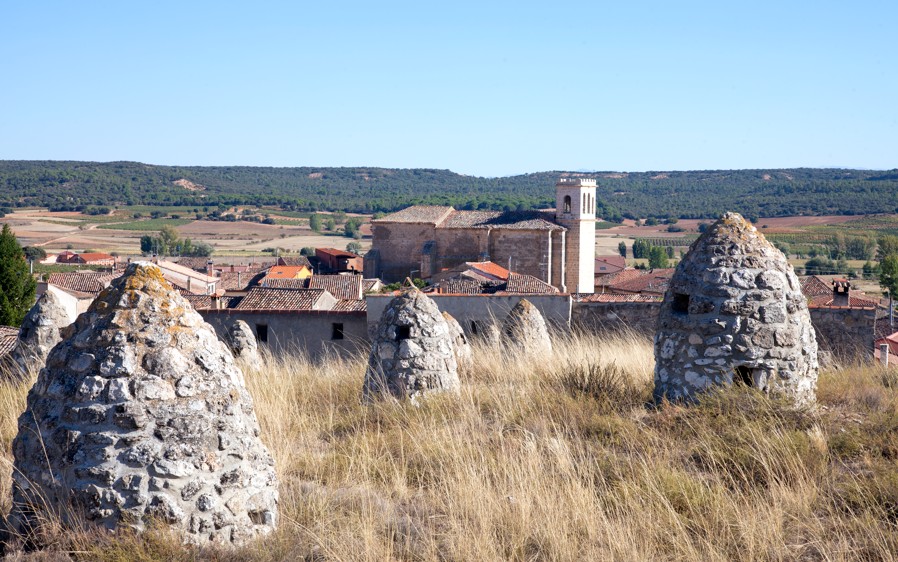
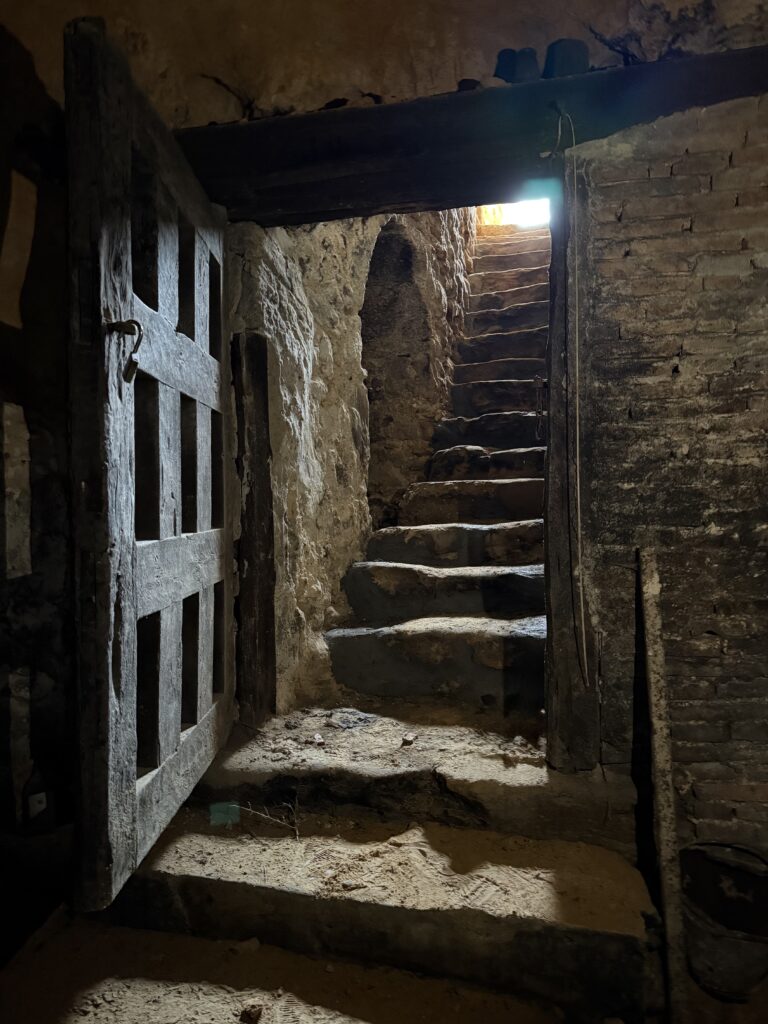
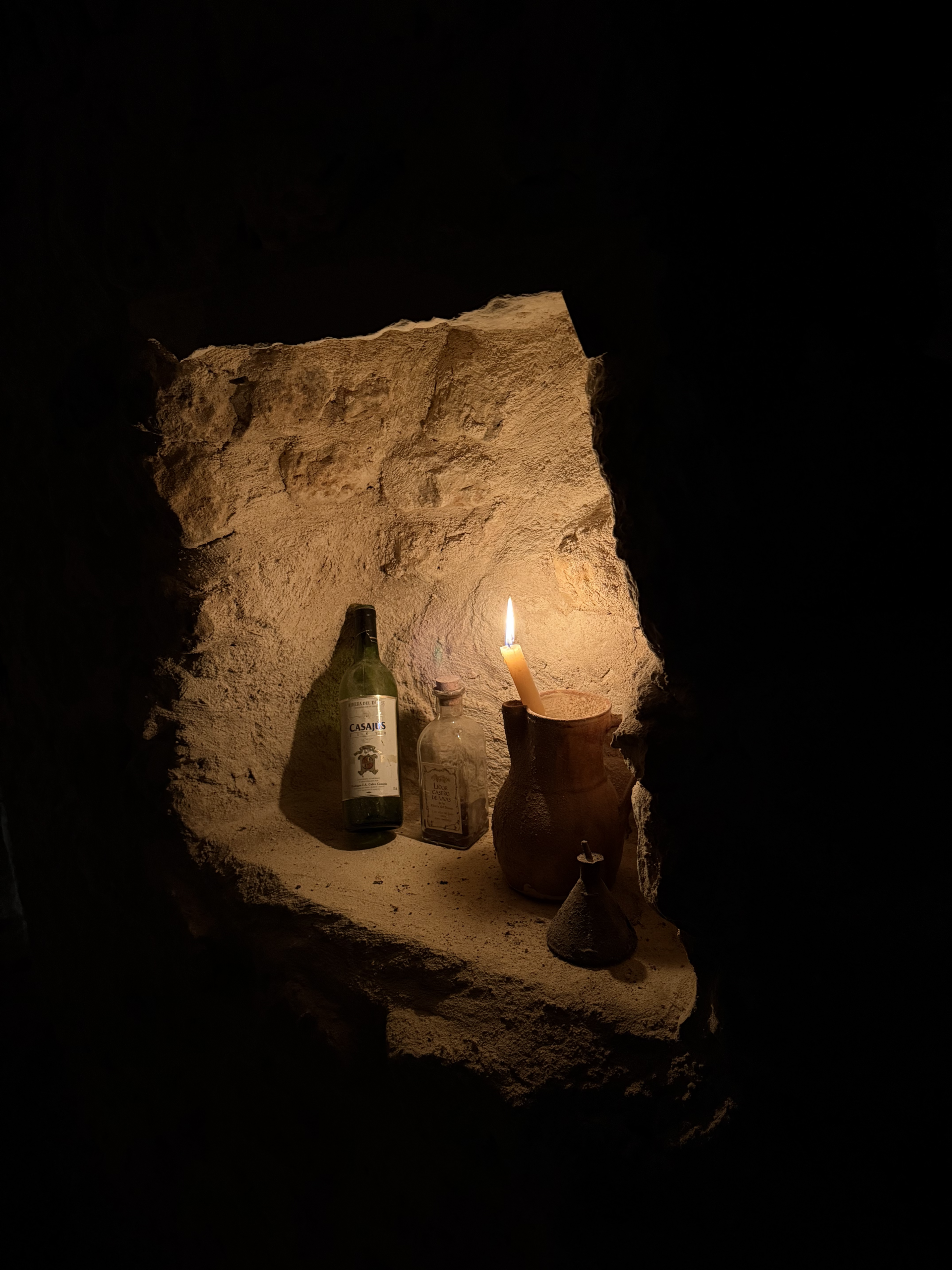
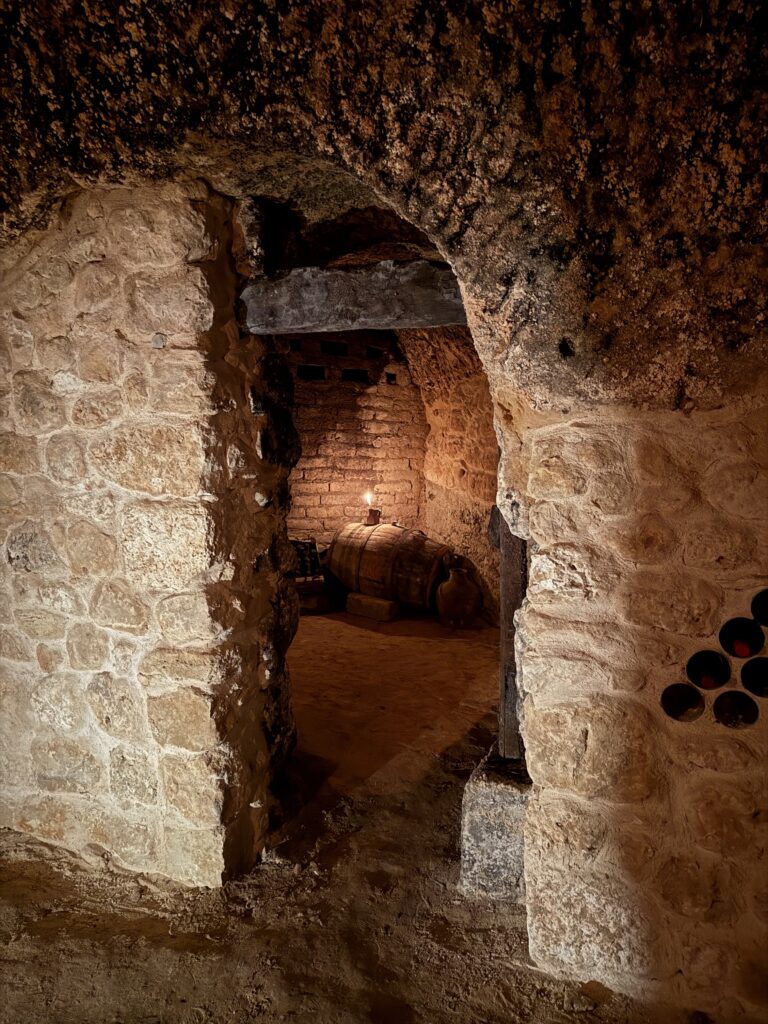
But the soul of the village lies far beyond its vineyards. Beneath its streets runs a remarkable labyrinth of traditional underground cellars — a one-of-a-kind heritage that speaks of centuries of winemaking culture. These tunnels, carved by the villagers themselves to craft and preserve their wines in naturally cool and humid conditions, now form a historic cellar district worthy of admiration.
Among these ancient wine presses and century-old caves stands Bodega la Iglesia, one of the most iconic landmarks of the village and a cherished part of our family’s story. Steeped in memory and tradition, it embodies the deep connection between past and present — a tribute to those who worked this land before us and shaped what is now a way of life.
LA RIBERA DEL DUERO

For more than 2,000 years, the lands of Ribera del Duero have been bound to the vine and to wine. This ancient connection is evidenced by the largest Roman mosaic found on the Iberian Peninsula, discovered in Baños de Valdearados (Burgos). In the 12th century, the first underground cellars were carved into the subsoil, and from then on, wine and vineyards became central to the cultural and economic development of the region. By the 15th century, the first regulations were in place to oversee production and trade, and after cycles of prosperity and decline, the Ribera del Duero Designation of Origin was officially created in 1982.
Today, Ribera del Duero is home to some of Spain’s most prestigious wines. Their quality rests on a singular combination of natural factors: well‑drained soils with sand and rounded stones that regulate moisture and encourage deep rooting, together with a demanding continental climate of cold winters, dry summers, and marked temperature shifts that foster slow, even ripening of the grapes.
In this setting, Tempranillo — known locally as Tinta del País or Tinta Fina — reaches its greatest expression. It is the variety that shapes the identity of Ribera del Duero wines and forms the backbone of the wines crafted at Bodegas Casajús.
Alongside its acclaimed reds, the appellation also includes rosé wines, which remain true to the Ribera del Duero character and are noted for their freshness, vibrant aromatics, and balance.
In recent years, the designation has also reclaimed the value of its traditional white grapes, especially Albillo Mayor, a historic variety of the area that brings elegance, freshness, and a distinctive sense of place to Ribera del Duero white wines.
Within the designation, the province of Burgos occupies a particularly prominent position, containing most of the vineyard area registered under Ribera del Duero and preserving an unbroken winemaking tradition, with some of the region’s most emblematic vineyards.
FAMILY TRADITION

FAMILY
For generations, the Calvo and Casajús families have cultivated the vine and made their own family wines. In old underground cellars, which are still preserved today, they produced completely handcrafted wines for their own consumption.

HISTORY
The way Casajús wines are made stays true to that family tradition and dedication: generations of knowledge are now combined with modern techniques which, while more advanced, still honor these original roots to craft Casajús wines.

THE FOUNDER
José Alberto Calvo Casajús was born in Quintana del Pidio. From an early age, he was immersed in the world of wine, tending the family vineyards and creating excellent artisanal wines in their traditional cellar.